
Replacing a central air conditioner is a chance to address the comfort problems you have lived with: a warm upstairs, weak airflow or rooms that feel damp even when the thermostat reaches its setting. Before choosing equipment, explain those problems and ask how the proposed installation addresses them.
For homeowners across North and Central New Jersey, including Wayne and Clifton, a useful AC replacement estimate covers the home, the connected equipment and the installation work. Here is what to check before deciding.
Decide whether you need service or a replacement comparison
An AC that is struggling needs an assessment before you commit to replacement. ENERGY STAR notes that air leaks and duct problems can contribute to discomfort, so replacing equipment alone may leave important issues unresolved.
Safe checks are limited. Review the thermostat’s cooling setting and schedule. If the filter is safely accessible, follow the owner’s manual for checking or replacing it with the specified type. Leave electrical compartments and refrigerant work to a qualified professional. ENERGY STAR’s maintenance checklist separates routine filter care from technical service.
Write down when cooling weakens, which rooms are affected and what has already been repaired. Ask for the findings before comparing repair with replacement. Recurring faults, the condition of major components and available repair options all belong in that discussion.
Ask how the new system will be sized
The old unit’s capacity and the home’s square footage are useful background, but neither should be the entire sizing method. A residential cooling-load calculation considers the actual home, including windows, insulation, sun exposure and local conditions.
Tell the contractor about a finished attic, an addition, changed windows or plans to insulate. Ask whether those changes are reflected in the recommendation.
More cooling capacity does not automatically solve discomfort. An oversized system can cool the air quickly and shut off before removing enough moisture. Carrier’s sizing guide explains why proper sizing matters for both temperature and humidity. A warm second floor also warrants a discussion about airflow and distribution.
Compare the complete equipment combination
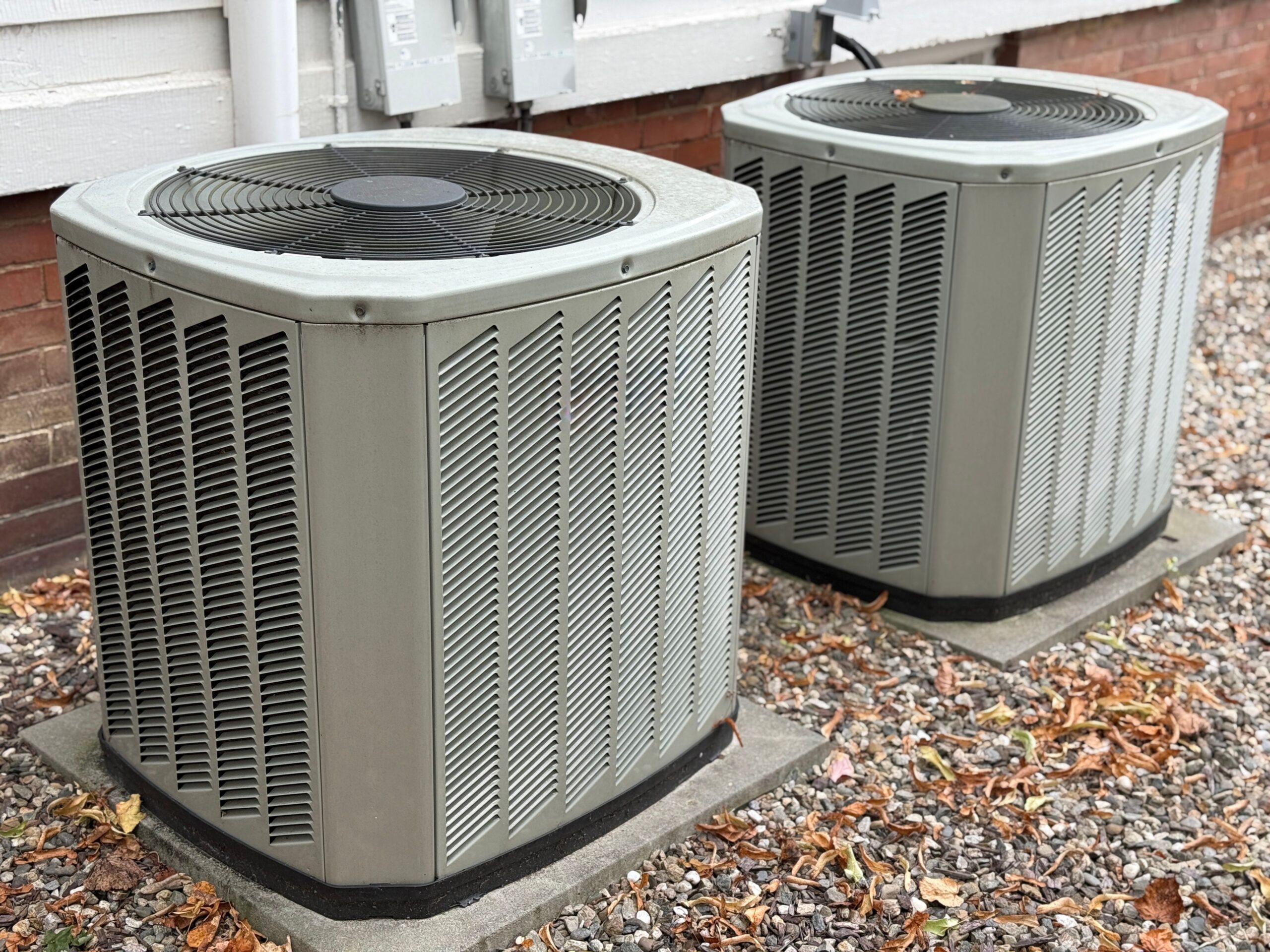
A typical split central AC system has outdoor equipment and an indoor coil, with a blower moving air through the home. Ask which parts of that combination are being replaced and which are being retained.
Request the proposed model numbers and, where applicable, the AHRI certificate for the equipment combination. Current residential central AC proposals commonly use SEER2 seasonal efficiency ratings. Carrier’s AHRI guide explains that certified ratings depend on the specific combination, including the indoor equipment.
A product line’s advertised maximum rating is not a substitute for the rating of your proposed system. Ask the contractor to explain compatibility with the existing furnace or air handler, thermostat and controls. If an additional replacement is recommended, ask why it is needed.
Look beyond the equipment price
Ask for a written scope that makes proposals comparable:
- Exact equipment and included controls
- Ductwork or airflow corrections identified during the assessment
- Refrigerant-line work and any reused components
- Electrical work included in the project
- Condensate drainage and equipment support
- Removal and disposal, plus required permits and inspections
- Startup testing, warranty coverage and exclusions
Do not assume every listed item needs replacement. The estimate should explain what your installation requires. If two prices differ substantially, identify the scope differences before choosing.
ENERGY STAR’s installation bid checklist provides useful questions about load calculations, matched equipment, airflow and installation verification. Actual operating costs depend on the home, settings and installation as well as the equipment rating; ask for the assumptions behind any savings estimate.
Prepare for access and the cooling interruption
Tell the installer where the indoor equipment is located and mention narrow stairs, finished spaces or access restrictions. Ask which routes must be clear and how the work area will be protected. Leave disconnecting and moving equipment to the installation team.
For a condo, rental or shared building, confirm who can approve the work and any building-management requirements before scheduling. Ask about equipment availability, the anticipated cooling interruption and what happens if additional work is discovered. A general installation timeline cannot account for every property’s conditions.
Before closeout, ask for an explanation of the thermostat, filter requirements, maintenance needs and warranty paperwork. Confirm which startup checks are included and how remaining inspection items will be handled.
Request an AC replacement estimate
Sophia Plumbing & HVAC Services offers AC and complete HVAC installation and replacement across North and Central New Jersey. If your immediate concern is an operating problem, start with central AC service.
Call 201-201-4002 or request a free installation or replacement estimate. Include your town, the equipment location and the comfort concerns you want addressed. Diagnostic service and repairs are quoted separately. Requests are confirmed by phone before an appointment is set.